Gin & Tonic

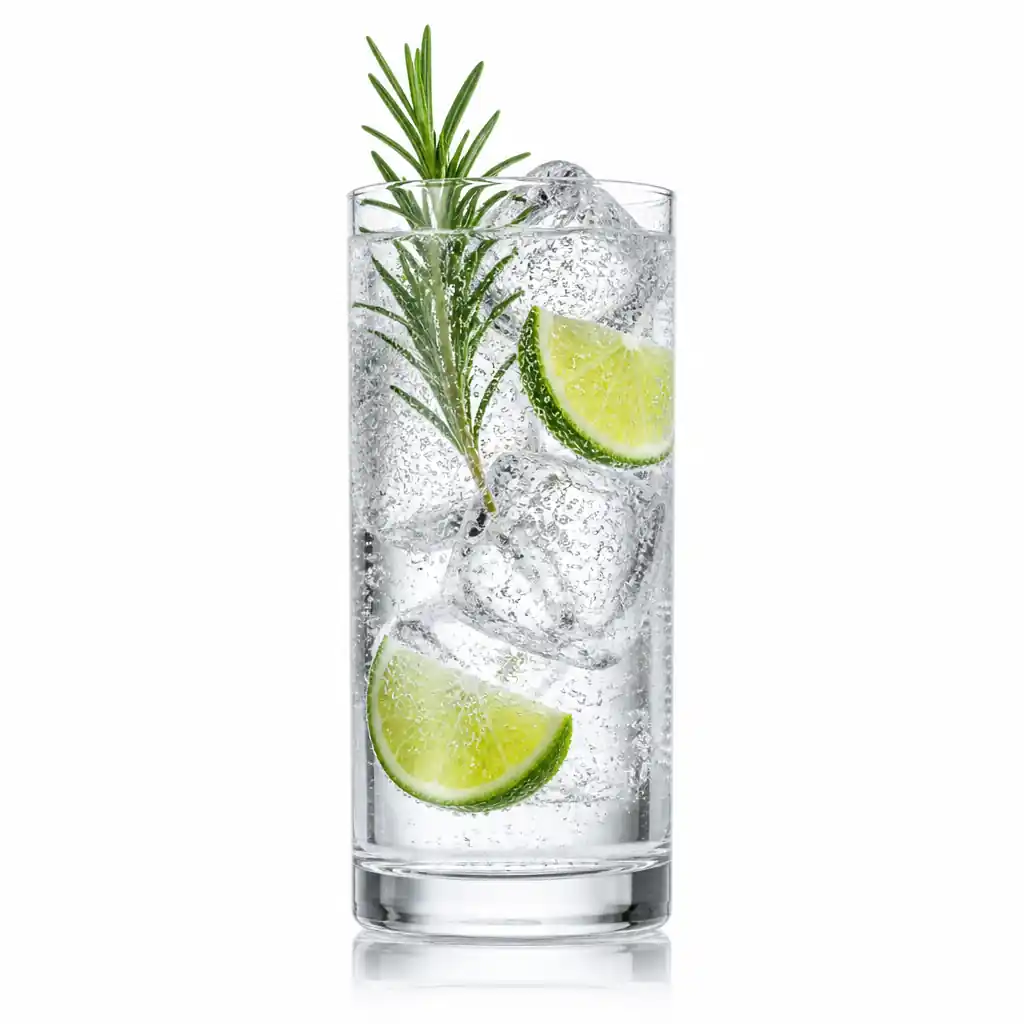
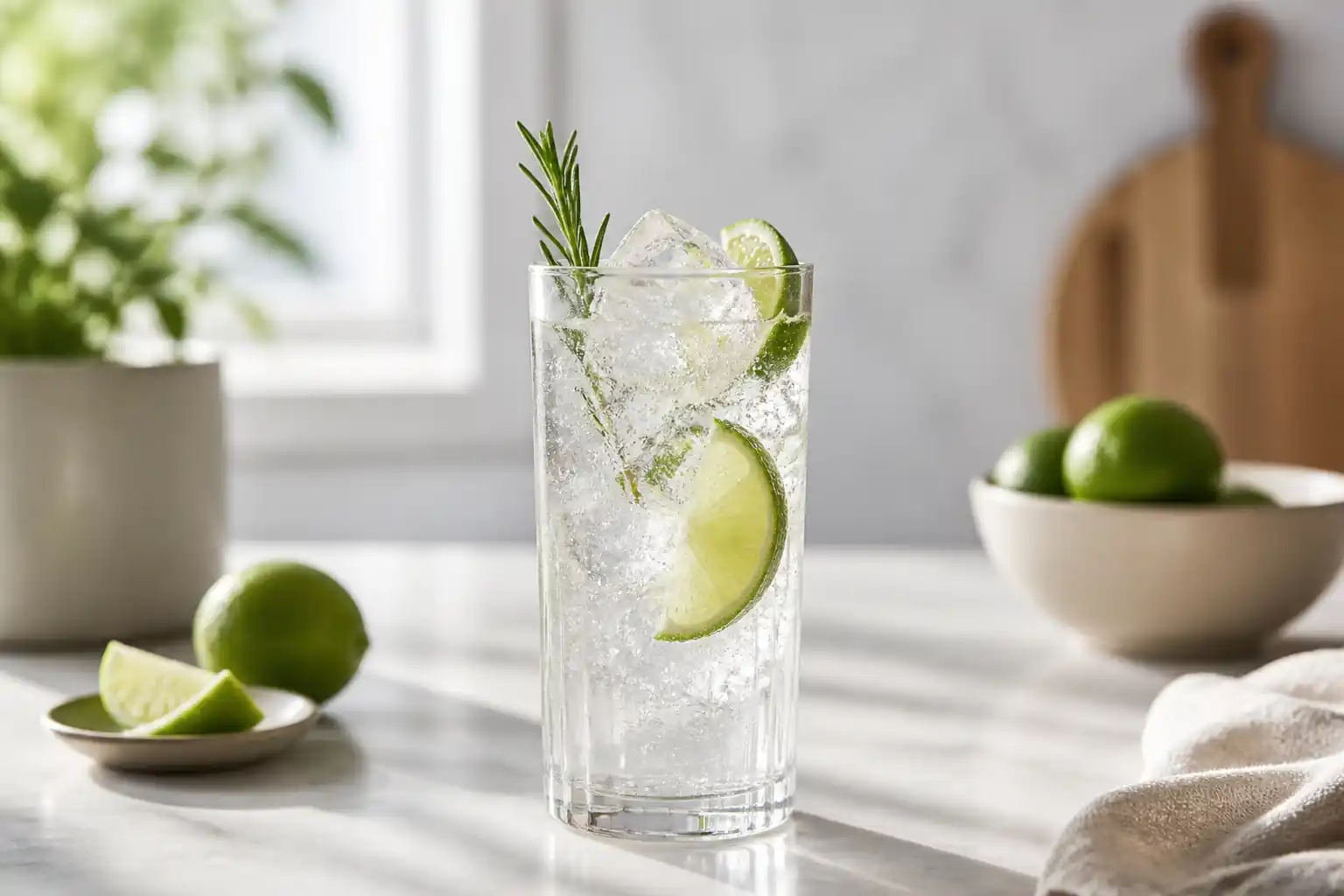
Gin & Tonic opens with bright citrus and crisp botanical notes. The taste is cool, sparkling, and effortlessly fresh. Each sip feels light yet polished, with a clean texture and a gentle bitter lift. It is refreshing, elegant, and quietly indulgent, leaving a smooth and satisfying finish.
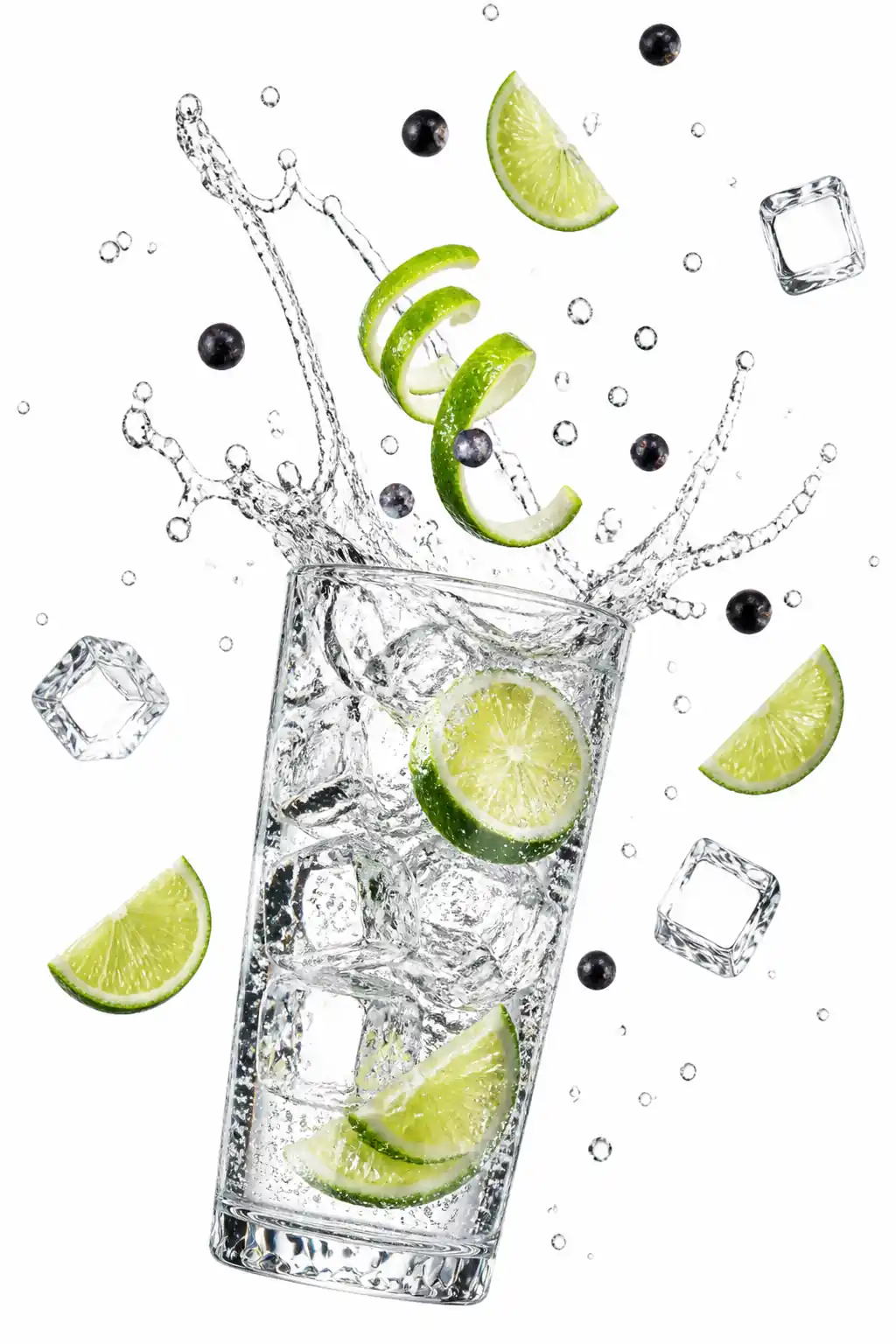
Glass

Highball

Prep Time

5 min

Difficulty

Medium

Alchol

Ingredients

1

2 oz gin

2

4 oz tonic water

3

Garnish: lime wedge

Steps

1

Step 1

Fill a highball glass with ice cubes. Pour in 2 ounces gin and then add 4 to 5 ounces tonic water.
2

Step 2

Stir gently with a bar spoon for 5 to 10 seconds to combine the gin and tonic water without losing carbonation.
3

Step 3

Garnish with a lime wedge and squeeze it lightly over the drink before placing it in the glass. Serve immediately.

Flavor Profile

History

This classic highball traces its roots to British colonial India, where quinine tonic water was mixed with gin to make it more enjoyable to drink. Over time, it evolved from a practical remedy into a global favorite known for its crisp, refreshing character and strong association with warm weather and easy social drinking.

FAQ

What goes into a classic Gin and Tonic?
A classic Gin and Tonic is made with gin, tonic water, and ice, usually finished with a lime wedge or slice. The drink is simple, so using a good gin and fresh tonic makes a noticeable difference.
How much alcohol is in a Gin and Tonic?
The alcohol content depends on the pour, but a standard Gin and Tonic is usually moderate in strength. Most versions contain about one shot of gin, with tonic water lowering the overall alcohol by volume compared to straight spirits.
What is the best gin for a Gin and Tonic?
London Dry gin is the most traditional choice because its crisp juniper flavor works well with tonic. That said, floral, citrus forward, or more modern gins can also be great if you want a different style.
Can you make a Gin and Tonic without lime?
Yes, you can make it without lime if you prefer. Lemon, grapefruit, cucumber, or even a sprig of rosemary can add a fresh twist while still keeping the drink balanced.
What tonic water should I use for a Gin and Tonic?
A high quality tonic water with clean bitterness and balanced sweetness usually works best. If your gin is delicate or premium, a lighter tonic can help its botanicals stand out instead of overpowering them.
Why does a Gin and Tonic taste bitter?
The bitterness comes mainly from quinine in the tonic water, which is part of the drink's signature flavor. If it tastes too bitter, try a different tonic, add more ice, or use a slightly smaller amount of tonic.
What are some easy Gin and Tonic variations?
Easy variations include using flavored tonic, changing the garnish, or adding ingredients like cucumber, berries, basil, or grapefruit. You can also swap in a different style of gin to make the drink feel fresher or more herbal.